Judge Jackson will become the first Black woman on the U.S. Supreme Court

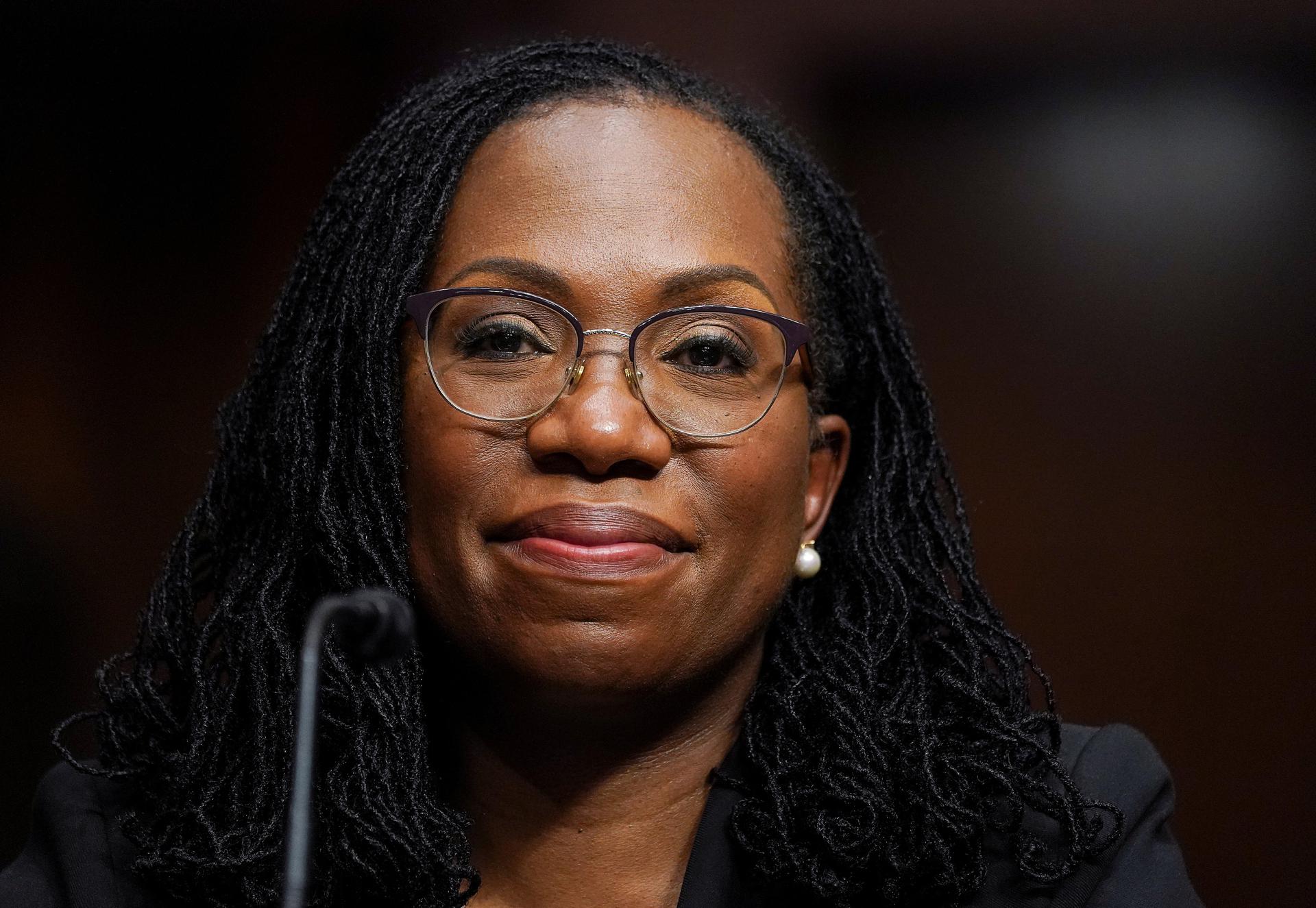
This week's newsletter is written by CNBC Make It work editor Hanna Howard. You can follow Hanna on Twitter @_hannahoward. On the campaign trail in 2020, Joe Biden promised that if elected, he would nominate a Black woman to the U.S. Supreme Court. Today, that vow fully became reality as the Senate confirmed Ketanji Brown Jackson, who will become an associate justice when Justice Stephen Breyer retires later this year. Judge Jackson's confirmation is a historic one — she will be the first Black woman on the court and only the third Black justice ever. When she joins the bench, SCOTUS will also have the most Black justices and most women justices at one time in its history. Jackson will also be the first justice to have served as a public defender. |
With Vice President Kamala Harris presiding in her capacity as president of the Senate, senators voted 53-47 to confirm Jackson, with Republicans Susan Collins, Lisa Murkowski and Mitt Romney joining Democrats voting for the appointment. Jackson, 51, was a rumored front-runner for a Supreme Court vacancy after she filled the seat of Attorney General Merrick Garland in the U.S. Court of Appeals for the D.C. Circuit, a role she was appointed to just last year by President Biden. "I stand on the shoulders of so many who have come before me, including Judge Constance Baker Motley, who was the first African-American woman to be appointed to the federal bench," Jackson said during her confirmation hearings. "And like Judge Motley, I have dedicated my career to ensuring that the words engraved on the front of the Supreme Court building, 'Equal justice under law,' are a reality, and not just an ideal." Share your thoughts with us at askmakeit@cnbc.com |
|
|
More articles from Closing the Gap |
|
|
After 10 years, Girls Who Code 'made coding cool' — but toxic tech culture means 'there's still such a long way to go' |
In 2012, 20 girls from high schools across New York City gave up seven weeks of their summer to learn the basics of computer programming. It was the inaugural summer of Girls Who Code, which has now taught the basics of computer science to more than 500,000 girls across the world. |
|
|
These 5 industries have the biggest gender pay gaps—here's why |
Although women face a persistent pay gap in nearly every occupation, a recent report from Payscale shows that the gap is wider in some industries than others. |
|
|
More than 200,000 women joined the labor force in March: 'We're heading in the right direction' |
The March jobs report continued to show economic recovery, adding more than 400,000 new jobs — and over 60% of those went to women. |
|
|
|




Tidak ada komentar:
Posting Komentar