 | FRI, APR 22, 2022 | | | |
|
|
| | | TECH, TRANSFORMATION AND THE FUTURE OF WORK | | | |
|
|
Welcome to the CNBC @Work newsletter, brought to you by CNBC Events. Think a friend, colleague or business partner should receive this newsletter? Subscribe here. When Florida announced the Parental Rights in Education bill, frequently referred to as the "Don't Say Gay" bill, which bars public schools from teaching children about sexual orientation and gender identity, several companies operating in the state came out against the legislation. At the time, Disney was viewed as absent from the public discourse, as the company said it preferred to work behind the scenes on it. Still, many employees and customers were upset when Disney CEO Bob Chapek did not immediately come out opposing the bill publicly considering the company is the largest employer among Florida residents. In March, Disney employees across the U.S. staged a walkout to protest Chapek's lackluster response. After the bill was signed into law later that month, the Walt Disney Company renounced it and vowed to help get it repealed. Now, Florida lawmakers are retaliating against Disney for their opposition to the "Don't Say Gay" bill. Since 1967, the Walt Disney Company has operated within the special Reedy Creek Improvement District in Florida that allows it to function as its own government without making local taxpayers responsible. Yesterday, lawmakers voted to dissolve that special district, which would leave the local counties in control of infrastructure and municipal costs. Despite the obvious retaliation, Disney is still standing with the LGBTQ+ community and plans to fight this new bill as well.
While this is not the first time the public and private sector clashed on such hot-button issues, the economic implications for a company and for taxpayers could mark a turning point in these debates and may give businesses pause when it comes to speaking out on political matters, perhaps to the chagrin of many in the workforce. For more on the world of work, check out our Key Stories roundup below. Until next time, stay safe, stay healthy and stay in touch. |
|
|
| Nearly 33% of employees in the U.S. are considering quitting their jobs, while 25% have actually resigned over the past six months, citing "toxic company culture" as their No. 1 reason for leaving. That's according to a 2022 survey from FlexJobs, digging into workers' motives for quitting and how they planned to do it. "People are still considering and actively making career moves for a better work experience that will provide benefits like work-life balance and flexibility," said Toni Frana, career services manager at FlexJobs. "From our perspective, the Great Resignation is still very much alive and trending." |
|
|
| The labor market tightened further last week, with initial jobless claims falling to their lowest level in more than 53 years, the Labor Department reported Thursday. Initial filings for unemployment dropped to 166,000, well below the Dow Jones estimate of 200,000 and 5,000 under the previous week's total, which was revised sharply lower. The department noted that it revised claims from 2017 to 2021 and changed the seasonal factors it is using to calculate the numbers. Last week's total was the lowest since November 1968. |
|
|
| Two of every five workers who switched jobs over the past year are looking for work again, according to a new survey published by Grant Thornton, a consulting firm. These workers will likely account for a good deal of churn in the labor market as the so-called Great Resignation continues, and this suggests employers may need to reconsider pay, benefits and other workplace issues. "The power is going to the employee right now," said Tim Glowa, who leads Grant Thornton's employee listening and human capital services team. "They are in the driver's seat." |
|
|
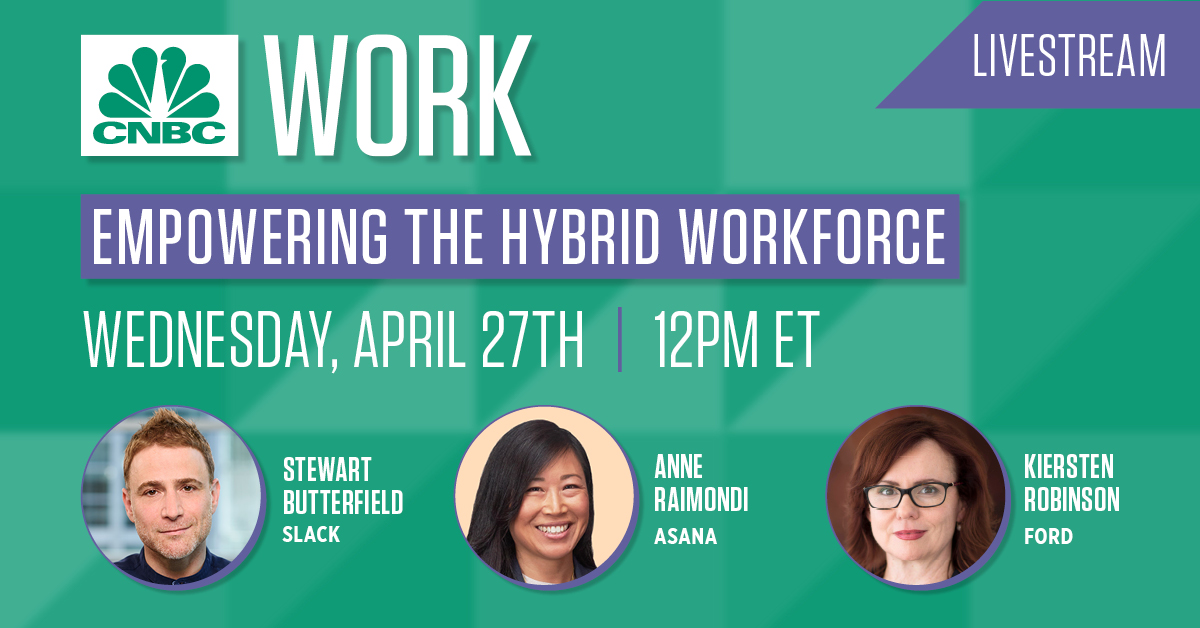
Work: Empowering the Hybrid Workforce | April 27 In many workplaces, hybrid work has become the standard as companies hope more flexibility will help with recruiting and retaining a talented, diverse workforce. But implementing a successful strategy is not easy, and if done ineffectively, can create barriers to growth and restrict opportunity for many. Learn more and register here. |
|
|
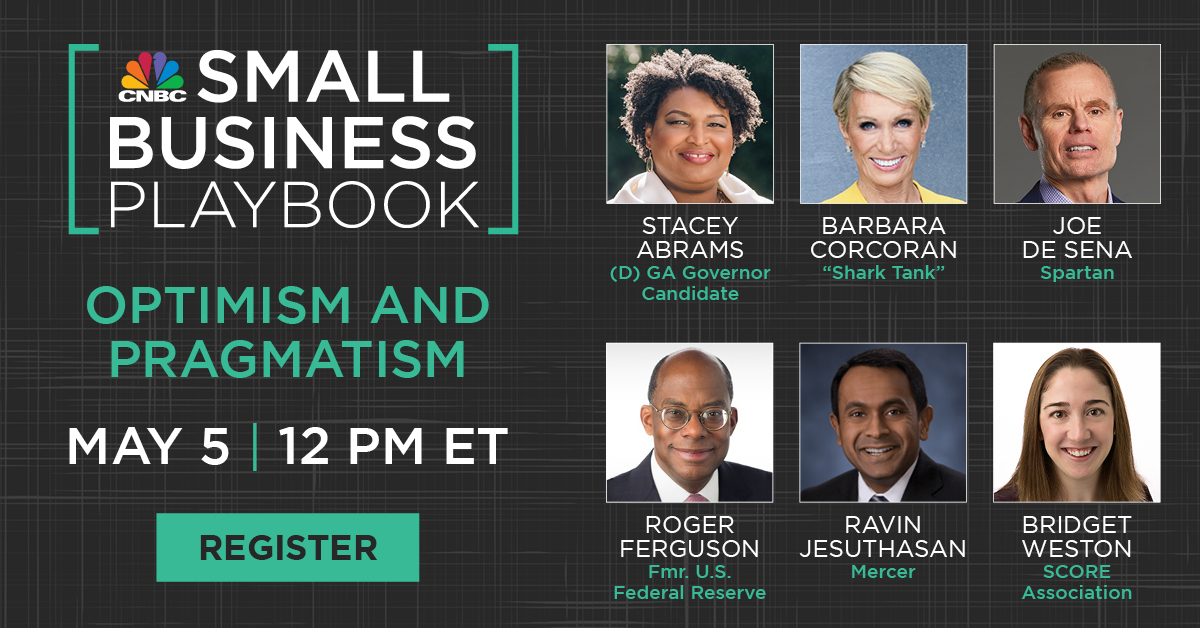
Small Business Playbook: Optimism and Pragmatism | May 5 Small business owners may be looking to brighter days ahead with a new sense of mission and understanding on what it takes to grow a business—from navigating inflation and labor shortages to new ways to secure funding. Learn more and register here. |
|
|
|






Tidak ada komentar:
Posting Komentar